
The Hidden Cost of Confidence Loss in Young Athletes
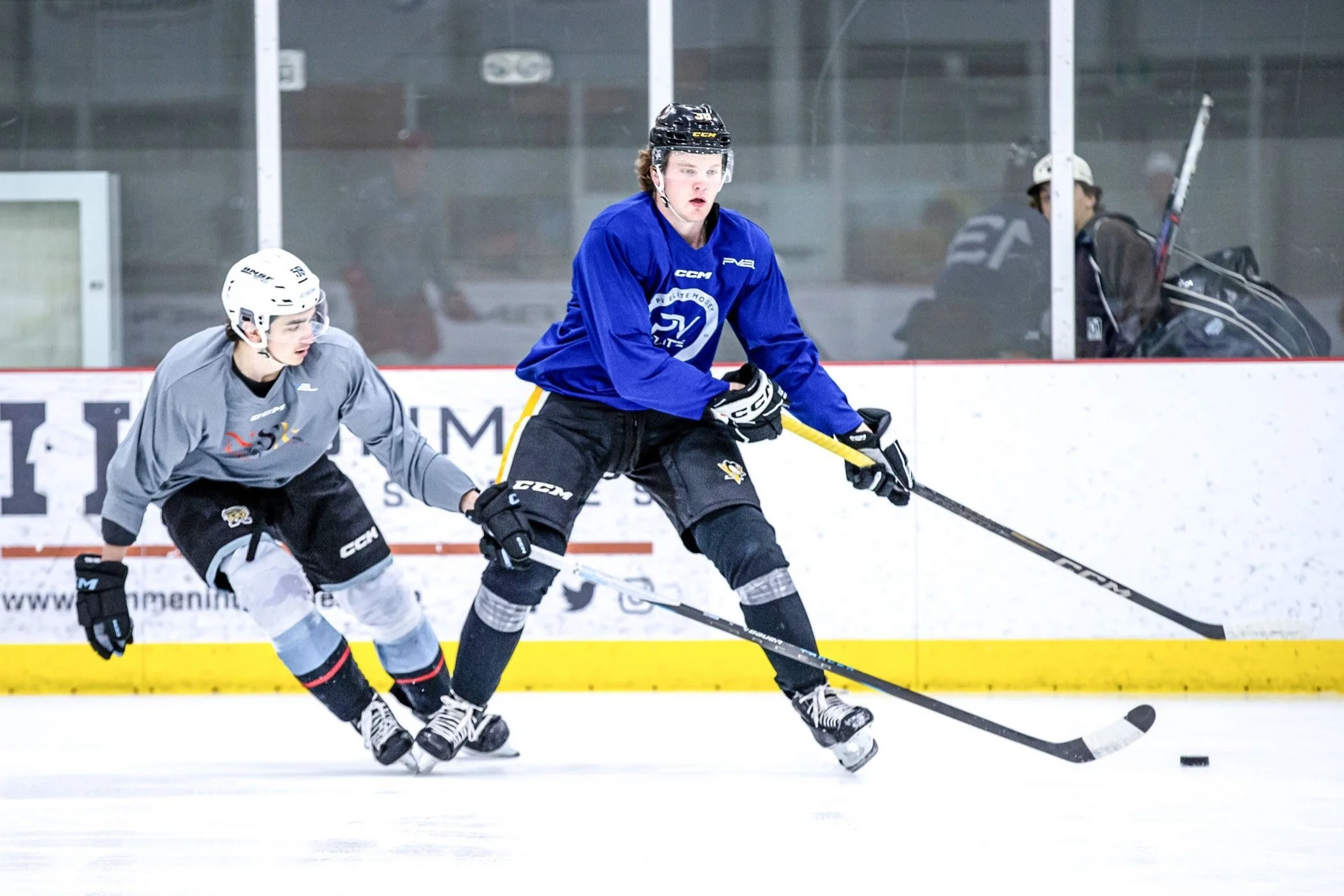
When Players Stop Playing Freely
Confidence in hockey is usually talked about like it’s purely emotional. Something players either have or don’t have. But confidence goes much deeper than mindset alone. In reality, confidence changes how athletes process the game itself. It affects decision-making, creativity, reaction speed, and even whether players can access skills they already possess under pressure.
You can usually spot when confidence starts slipping. A player who once looked instinctive and creative suddenly starts looking robotic. Instead of reacting naturally, they hesitate. Instead of attacking space or making plays, they defer or overthink. The game slowly becomes something they’re trying not to mess up rather than something they’re trying to influence.
A huge reason for this is the fear of mistakes. Young athletes today are constantly processing feedback from every direction — coaches, parents, trainers, teammates, social media, rankings, statistics, and comparison videos online. Hockey can start to feel like constant evaluation. Every turnover feels bigger. Every mistake feels visible. So naturally, players begin protecting themselves. They make safer plays, stop trying things creatively, and play cautiously instead of instinctively.
Why Some Players Struggle to Transfer Skills Into Games
This is also why some players can dominate practice but struggle in games. It’s not always because they lack skill. Often, it’s because confidence isn’t just about ability — it’s about familiarity. When pressure appears, the brain has to feel prepared enough to access those skills naturally. If players become anxious or overwhelmed, decision-making slows down, scanning decreases, and they stop reacting instinctively.
At the same time, social media has created an environment where young athletes constantly compare themselves to everyone else’s highlight tape. Players see rankings, commitments, training clips, and “perfect” performances every day without seeing the setbacks, frustration, inconsistency, and years of development happening behind the scenes. Confidence quietly erodes when athletes begin feeling like everyone else is ahead.
Confidence Is Built Through Repetition
That’s why confidence is built through much more than motivation or positive thinking. A huge part of confidence comes from repetition and environment. If a player took the same type of shot 10,000 times from similar positions and situations, they would naturally feel confident taking that shot in a game. Not because someone told them to “believe in themselves,” but because their brain and body recognize the situation as familiar. Familiarity creates composure.
Intentional practice matters here too. Even something as simple as visualizing a game situation while performing a rep can help strengthen confidence. Instead of taking random shots in practice, players can begin imagining where the pass is coming from, whether there’s pressure, or what game situation they’re in. Visualization has been shown to activate many of the same neural pathways as physically performing the skill itself. Combined with real reps, it helps athletes feel more prepared before those situations happen in games.
Development Environments Matter
The environment players develop in matters just as much. One of the biggest mistakes in development is introducing pressure too quickly. Sometimes players are expected to execute complex skills in chaotic game situations before the skill has been properly built underneath. That’s where overwhelm begins.
Good development usually follows progression. Learn the movement statically first. Then add motion. Then speed. Then pressure or duress. Then decision-making. Then place it into game-like situations. When players move through those layers progressively, confidence grows naturally because they’ve already experienced pieces of the situation before. Instead of thinking “everything is happening too fast,” the athlete begins thinking, “I’ve seen this before.”
That balance is incredibly important. If players only practice isolated drills with no pressure, skills often don’t transfer into games. But if players are constantly overwhelmed by pressure they aren’t prepared for yet, confidence can disappear quickly too. Great development environments challenge athletes without drowning them. They create opportunities to fail, adapt, and learn progressively while still maintaining structure and support.
Confidence and Long-Term Development
At the highest levels, hockey becomes less about memorization and more about processing. Players need to adapt quickly, make decisions under pressure, recover from mistakes, and trust their instincts in chaos. None of that happens consistently when athletes are trapped in fear.
Confidence isn’t separate from development. It’s deeply connected to it. And protecting confidence while still challenging athletes to grow may be one of the most important parts of long-term development that people overlook.